
Bulk Ammunition Buying Guide: Save Big on Bulk 9mm, .223, and More
Bulk ammunition is simply the smartest way to 5.56 Ammo for Sale stock up on the exact same rounds you already trust, minus the fancy packaging. Instead of paying for dozens of little boxes, you get a single, large container—often a loose-packed box or a sealed bag—that holds hundreds or even thousands of cartridges. That means you spend less per round and have plenty on hand for range days, practice sessions, or storing for the long haul. Just keep it in a cool, dry place, and your bulk stash will stay ready to load and fire whenever you are.
What Makes Buying Ammo in Bulk Actually Worth It
Buying ammo in bulk becomes genuinely worth it the moment you realize that **bulk ammunition** translates 7.62x54R Ammo for Sale directly into more trigger time for your dollar. The per-round price drops significantly once you move past the 500-round mark, meaning you can practice complex drills or zero multiple firearms without mentally calculating every shot. Bulk purchases also shield you from the inconvenience of constant reordering—you avoid the frustrating cycle of running dry before a range trip or a weekend course. With a solid inventory on hand, you can standardize your training around one lot, which improves consistency in your shooting. Ultimately, **what makes buying ammo in bulk actually worth it** is the combination of immediate cost savings, uninterrupted practice sessions, and the confidence that your ammunition supply never limits your skill-building.
Cost Per Round Breakdown: Where the Real Savings Kick In
The real financial shift in bulk ammunition emerges when you break down the cost per round, not the total price tag. A box of 20 self-defense rounds might run $1.50 each, but buying 500 or 1,000 rounds of the same load often drops that to under $0.90 per round—a 40% reduction that compounds with every range session. Bulk ammunition’s cost per round advantage becomes most obvious with practice calibers like 9mm or .223, where per-round savings of $0.10–$0.20 turn into $100–$200 saved per case. Shipping and hazmat fees are fixed, so spreading them across 1,000 rounds dilutes their impact dramatically. A $25 shipping fee adds only $0.025 per round on a 1,000-round order, but $1.25 per round on a 20-box purchase.
- Per-round price drops sharply at .17 WSM Ammo for Sale 250–500 round thresholds, then plateaus—so match your buy to your actual usage rate.
- Compare same-brand, same-grain loads only; mixing in cheap remanufactured ammo skews your real cost-per-round math.
- Factor in free shipping promotions or local pickup to shave another $0.02–$0.05 off each round.
How Your Shooting Frequency Determines the Bulk Break-Even Point
Your shooting frequency is the single variable that dictates whether bulk ammo saves you money or locks up your cash. If you shoot twice a month, the bulk break-even point stretches far out, because your per-box shipping savings get diluted by long storage time. But if you train weekly, you hit that break-even point within a single range session. Calculate it by comparing bulk per-round cost to your usual retail price, then divide that difference by your monthly round count. A higher frequency means you recover the upfront bulk investment faster, making the risk of price drops or component changes negligible. For infrequent shooters, the break-even point may never arrive before you sell stale ammo.
How to Pick the Right Caliber and Grain Weight for Large Orders
When placing bulk ammunition orders, selecting the right caliber and grain weight hinges on matching the projectile’s terminal performance to your intended application across thousands of rounds. For large orders, consistency matters more than flexibility, so first lock in the firearm’s chambering—.223 Remington for AR-platform rifles or 9mm Luger for pistols—since bulk pricing discounts are caliber-specific. Then, choose grain weight based on barrel twist rate and target use: 55-grain for general plinking and velocity, 62-grain for barrier penetration and steel targets, or 77-grain for precision long-range. Heavier grains stabilize better in faster twists (1:7) but reduce muzzle velocity and increase recoil, which can fatigue shooters over long sessions. For defensive bulk stock, a 124-grain 9mm offers a balance of recoil and expansion, while 147-grain subsonic suits suppressed use.
Never mix grain weights in a single bulk order—standardize one weight to maintain zero and ensure consistent ballistics across your entire inventory.
Finally, verify that the chosen grain is available in bulk packs (500–1000 rounds), as some lighter loads are only packed in smaller boxes, negating cost savings.
Matching Bullet Weight to Your Firearm’s Twist Rate and Purpose
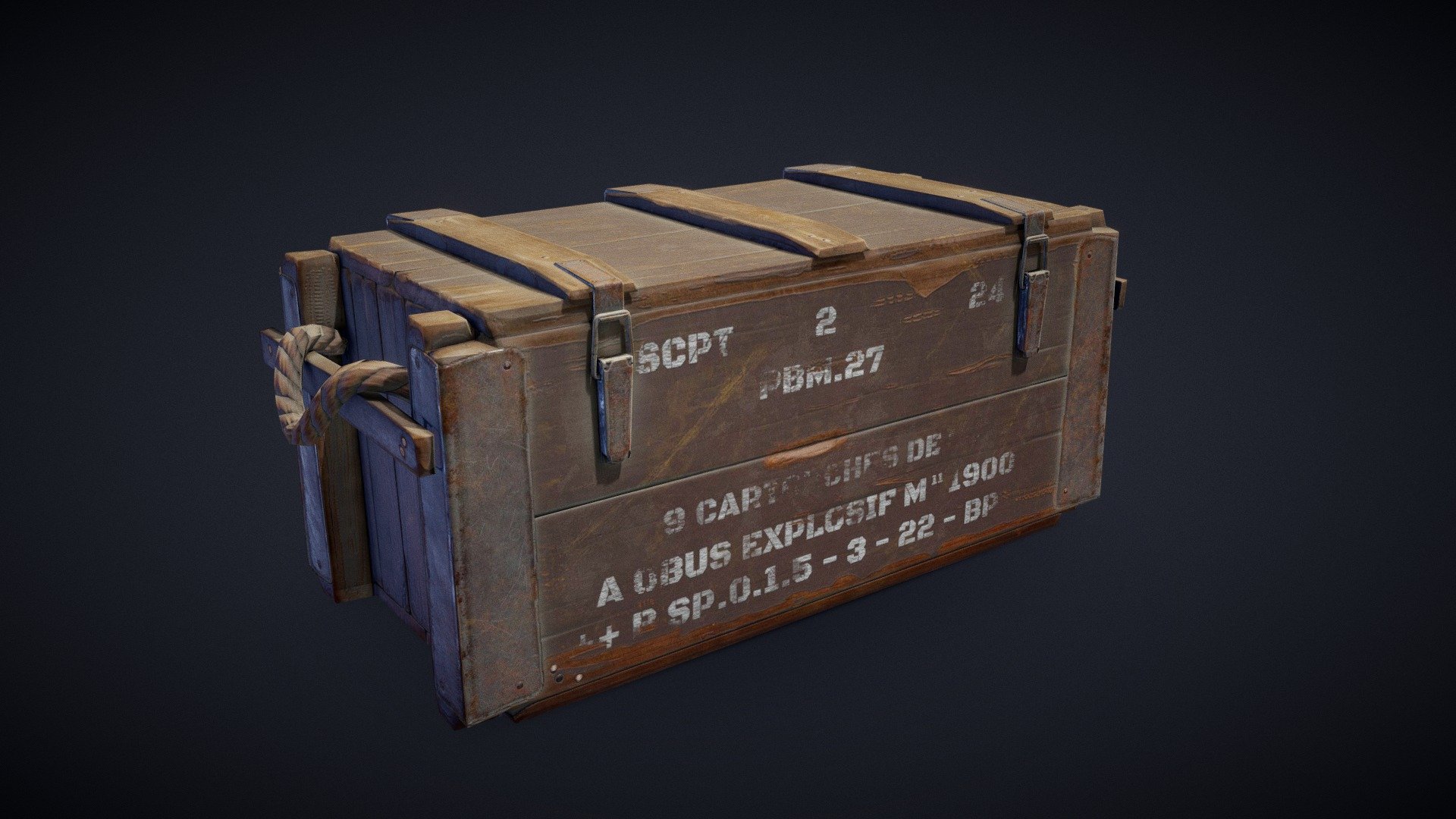
When ordering bulk ammo, matching bullet weight to your firearm’s twist rate is the difference between tight groups and frustrating fliers. Heavier bullets need a faster twist (e.g., 1:7 for 77-grain .223) to stabilize, while lighter rounds (55-grain) prefer slower twists like 1:12. For purpose, decide first: long-range 7.62×51 Ammo for Sale steel demands heavy, high-BC projectiles; close-range varmint or plinking favors light, flat-shooting loads. Your barrel’s twist rate (check the stamp or manual) dictates the *safe* weight range—pushing past it causes keyholing. A quick stability calc (like the Miller formula) helps, but for bulk orders, stick to weights your twist is known to love.
| Twist Rate | Optimal Weight (Example .223) | Best Use |
|---|---|---|
| 1:12 | 40–55 gr | Plinking, coyote |
| 1:8 | 60–77 gr | Precision, wind-prone |
| 1:7 | 69–80 gr | Long-range, suppressed |
Test a few boxes before committing to thousands of rounds.
Full Metal Jacket vs. Hollow Point: Which Bulk Option Fits Your Needs

For bulk orders, the choice between Full Metal Jacket and Hollow Point hinges entirely on your intended use. If your priority is cost-efficient, high-volume range training, Full 7.62×39 Ammo for Sale Metal Jacket rounds are the undisputed bulk option—their copper-coated lead core feeds reliably, minimizes barrel fouling, and delivers the lowest per-round price when you buy by the case. Conversely, Hollow Points are your bulk pick only if you need terminal expansion for defensive practice or hunting, but expect to pay a premium and sacrifice some penetration on barriers. For sheer volume plinking, FMJ wins; for controlled stopping power, Hollow Point justifies the extra expense.
| Aspect | Full Metal Jacket | Hollow Point |
|---|---|---|
| Best for Bulk | High-round-count practice | Defensive drills or hunting |
| Cost per 1000 | Lower | Higher (10–30% more) |
| Feeding/Reliability | Excellent in all actions | Can be finicky in some magazines |
| Overpenetration Risk | High | Low |
| Target Damage | Clean holes, no expansion | Expands, destroys backstops |
Understanding Packaging Types Before You Commit to a Case
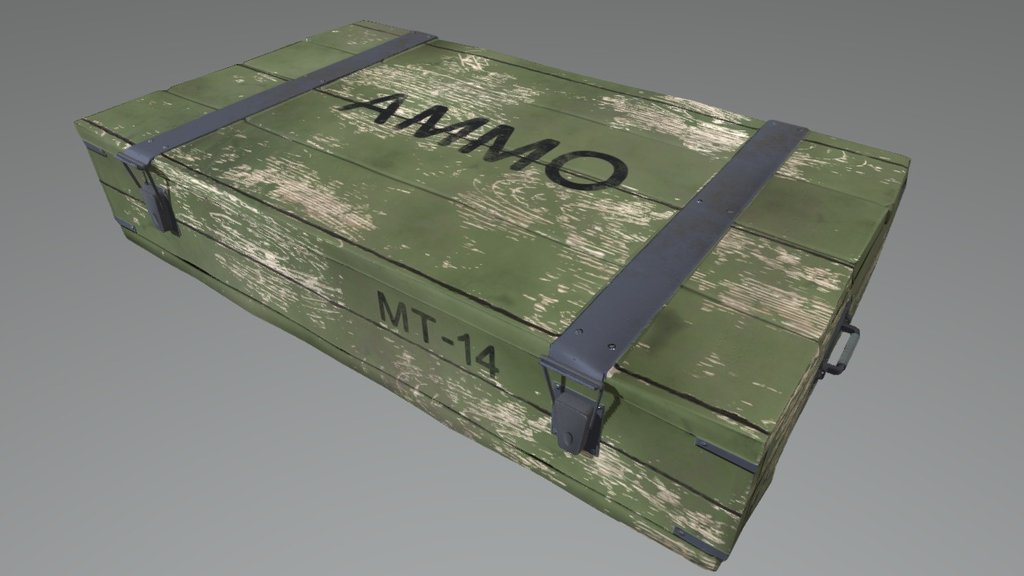
Before committing to a case of bulk ammunition, understand that packaging dictates both storage longevity and range-day efficiency. Loose-packed rounds in cardboard boxes are the most economical but require your own ammo cans, and they risk bullet setback if jostled in transit. Factory-sealed battle packs, often with stripper clips, offer superior moisture protection and immediate loading into magazines—ideal for long-term stockpile rotation. Understanding packaging types ensures your bulk purchase matches your actual consumption speed and handling environment. If you shoot frequently, loose packs are fine; if you store for years, seek sealed, desiccant-lined packaging.
Buying by the case means you are committing to the packaging’s lifespan, not just the round count—so verify whether the box or can is reusable or strictly disposable.
Always check for cardboard dividers versus foam trays, as the latter prevent primer damage during 5.7x28mm Ammo for Sale rough handling, which loose bags cannot guarantee.
Loose Pack, Cardboard Boxes, or Ammo Cans: Pros and Cons for Storage

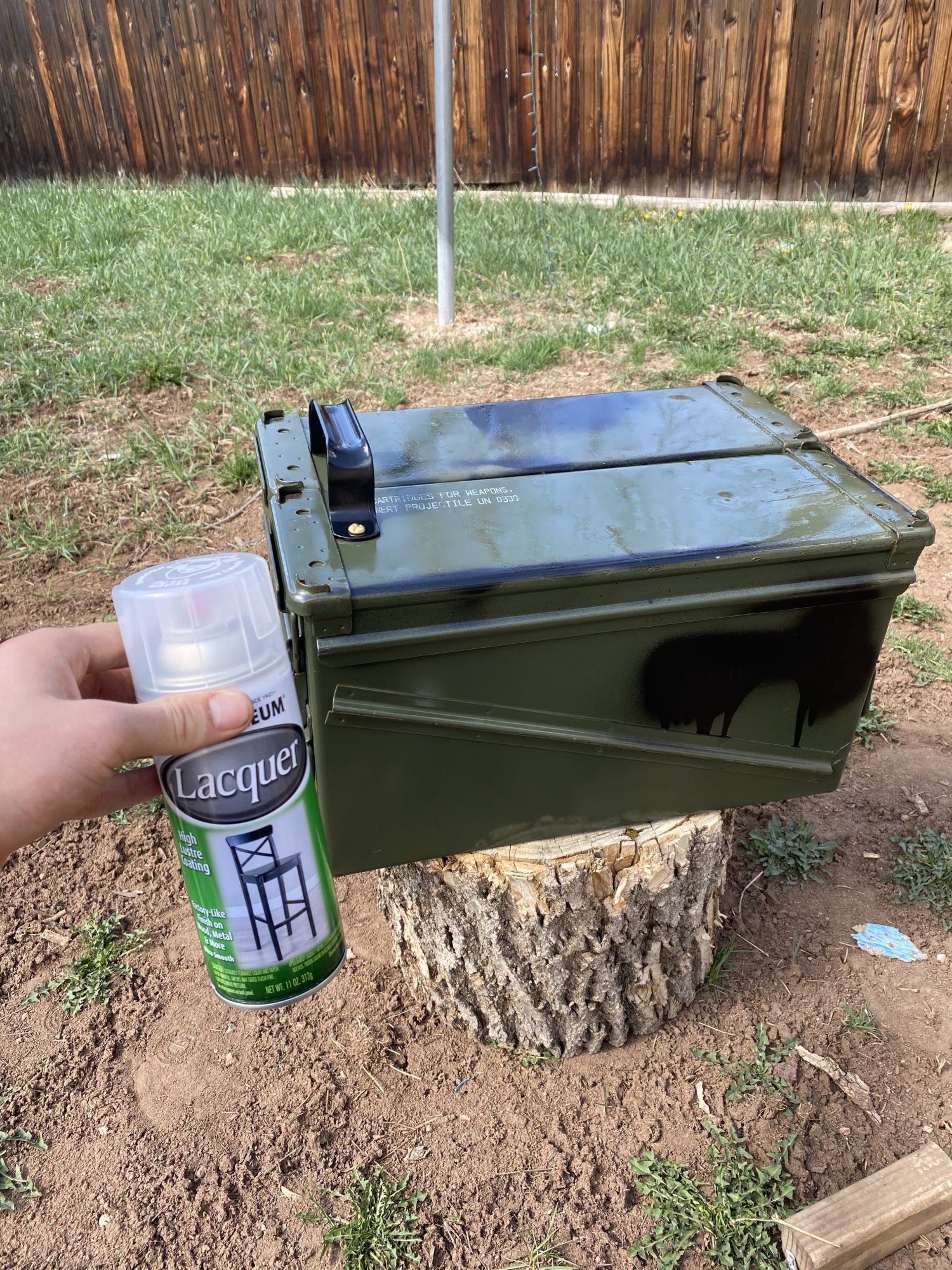
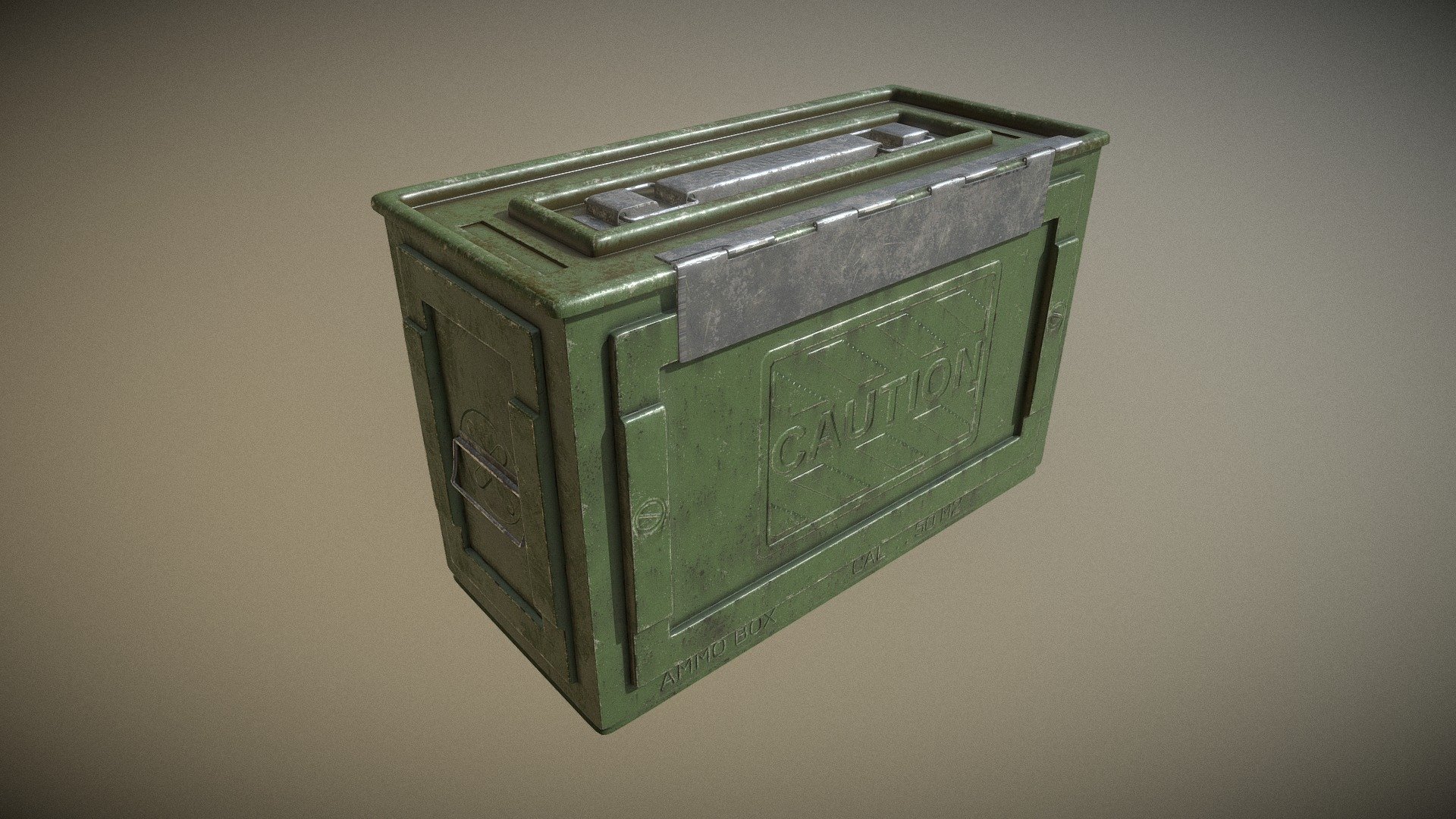
For bulk ammunition, your storage container choice directly impacts longevity and accessibility. Loose pack offers the lowest cost and densest footprint, but it invites bullet rattle, primer damage, and tedious sorting at the range. Cardboard boxes provide modest protection against dust and minor jostling, though they crush easily, absorb moisture, and disintegrate quickly in humid environments—forcing constant repacking. Ammo cans deliver superior protection against impact, humidity, and temperature swings, especially with a rubber gasket, making them the clear investment for serious bulk buyers. While heavier and pricier per round, ammo cans let you stack securely, grab-and-go instantly, and trust your stockpile for decades, eliminating the need for re-boxing entirely.
What to Check for in Lot Numbers and Headstamps on Bulk Purchases
When you buy bulk, lot numbers tell you if all your ammo came from the same production run, which matters for consistency. Check that every box shares the same lot—mixed lots mean you might get slight velocity or accuracy shifts between boxes. For headstamps, verify the brand and caliber match what you ordered; a mismatched headstamp on a “bulk deal” often signals repackaged or pulled rounds. Also, look for crimped primers or sealants, which hint at military surplus—fine for plinking but harder to reload. Scrutinize any headstamp with corroded or faded markings, as that suggests poor storage conditions.
Q: What should you prioritize in lot numbers and headstamps on bulk purchases?
A: Confirm the lot is uniform across all boxes, then ensure the headstamp’s caliber and manufacturer match your firearm’s spec—ignoring this risks feeding issues or safety problems.
Proper Storage Methods to Keep Mass Quantities Reliable for Years
To keep bulk ammunition reliable for years, prioritize a stable environment over mere containment. Seal cases in airtight, military-grade ammo cans with desiccant packs to eliminate humidity, the primary enemy of primers and powder. Store these cans off concrete floors on wooden pallets or shelving, preventing cold-induced condensation that corrodes brass. Rotate your stock annually by using older lots first, but avoid opening sealed cans except for inspection. Maintain a consistent temperature between 40–70°F, as extreme heat accelerates powder degradation. For long-term bulk storage, vacuum-sealing mylar bags with oxygen absorbers inside hard plastic containers offers a second defense layer. Always label every can with the load date and lot number, and handle cans gently to protect bullet seating. Proper storage methods for bulk ammunition demand vigilance against thermal cycling and moisture intrusion to preserve ballistic performance indefinitely.
Controlling Humidity and Temperature: The Simple Tools That Work
Keeping bulk ammo happy really comes down to two numbers: humidity and temperature. A solid moisture control strategy starts with silica gel packs or a rechargeable dehumidifier inside your sealed ammo cans—aim for under 35% relative humidity. For temperature, avoid attics or garages where .17 HMR Ammo for Sale summer heat spikes; a cool, stable closet or basement corner works wonders. The simple sequence is:
- Seal ammo in airtight cans with desiccant.
- Store off concrete floors on a wooden shelf.
- Check a cheap hygrometer monthly and recharge desiccant when it climbs above 40%.
That’s it—no fancy gear, just passive climate specialty sports & supply control that keeps primers and powder consistent for decades.
Rotating Your Stockpile: Using the Oldest Rounds First Without Waste
Your bulk ammunition cache only stays reliable if you actively practice rotation, treating it like a pantry rather than a vault. The core discipline is a strict first-in, first-out system—physically place newer boxes behind existing stock so your hand naturally grabs the oldest rounds first. When you shoot, deliberately pull from those front-line boxes, cycling them into your regular range sessions before they develop age-related issues like primer degradation or powder breakdown. First-in, first-out ammunition rotation also means resisting the urge to hoard pristine newer lots while older ammo sits untouched. You prevent waste by making the oldest rounds your training ammunition, not your emergency reserve. That way, every cartridge gets used within its optimal lifespan, and your entire stockpile stays uniformly fresh. Label every container with purchase date, and you will never question what to shoot next.
Common Mistakes When Buying Large Quantities and How to Avoid Them
The biggest mistake when buying bulk ammunition is grabbing the cheapest option without checking the lot’s manufacturing date—old stock can suffer from corroded primers or inconsistent powder, leading to misfires. Another common error is ignoring storage conditions; tossing thousands of rounds in a damp garage ruins them fast, so invest in sealed ammo cans with desiccant packs. Also, don’t blow your whole budget on one caliber—verify your firearm’s actual usage rate first, or you’ll be stuck with 5,000 rounds you rarely shoot. Quick Q&A: How do you avoid buying bad bulk ammo? Always test a small sample box from the same lot before committing, and rotate your stock so the oldest rounds get shot first. Finally, skip the “too good to be Ammo Cans & Storage for Sale true” reloads unless you trust the reloader—factory-new rounds are worth the extra cost for reliability.
Overlooking Recoil Sensitivity or Over-Penetration Risks with High Volume
Buying bulk ammunition often locks you into thousands of rounds of a single load, which magnifies two physical realities you must respect. First, recoil sensitivity: a high-volume purchase of heavy magnum or +P loads will fatigue your support arm, flinch response, and sight alignment far faster than a box of standard pressure rounds ever would. Second, over-penetration: in a defensive stockpile, every single round you fire must stop inside your target—not a wall, floor, or neighbor. A cheap, high-velocity bulk deal that pierces drywall will escalate a self-defense scenario into a liability. Bulk ammo recoil and penetration planning prevents this. Before committing, shoot a sample box. Then calculate:
- Fire 50 rounds at a brisk cadence—if your groups open beyond 3 inches, the recoil is too heavy for volume training.
- Test your bulk load against a sheetrock-and-wood backstop; if it exits cleanly, choose a hollow point or reduced-velocity round, even if it costs more per case.
Ignoring the Performance Differences Between Remanufactured and New Rounds
Treating every round in a bulk order as identical is a classic trap, especially when you mix remanufactured and new ammunition performance without a second thought. Remanufactured loads often have slightly different powder charges or bullet seating depths, which can shift your point of impact at distance or alter recoil impulse. If you’re zeroing a rifle or competing, that variance will show up as frustrating flyers. Always shoot a small test batch from each box before committing to a full session. Track which specific rounds group well and which don’t. Otherwise, you’ll waste time chasing accuracy problems that are really just ammunition inconsistency.
Q: Can I ignore performance differences if I’m only plinking?
A: Even for casual plinking, those differences can cause unexpected keyholing or weak cycling, so check a few rounds first to ensure your firearm cycles and shoots reliably enough for your intended use.
Practical Tips for Transporting and Handling Heavy Bulk Amounts
When moving bulk ammunition, distribute weight evenly across the vehicle’s axle to prevent unstable handling. Use reinforced, lidded plastic cans or wooden crates lined with foam, never loose bags, to avoid shifting loads that can crush primers. For heavy bulk amounts, employ a hand truck with a rated capacity above your total weight, and secure each container with ratchet straps anchored to the floor. Lift with your legs, not your back, and take frequent breaks—fatigue causes dropped boxes. Keep ammunition in its original factory packaging inside the transport crate to minimize movement. Always separate primers and propellant from loaded rounds by at least one solid partition, as friction or impact during transit is your primary risk. Transfer loads slowly over ramps, and never stack more than three crates high to maintain a low center of gravity.
Splitting Cases for Range Days Without Damaging the Ammo
When splitting bulk ammo cases for a range day, never dump loose rounds into a single container—the weight shift crushes bottom-layer cartridges and bends case mouths. Instead, repack into mid-sized ammo cans or partitioned MTM boxes, keeping factory cardboard dividers intact whenever possible. Load them upright, never sideways, and fill empty voids with foam or rags to stop rattling. For 1,000+ round cases, split into four 250-round loads, distributing them across a range cart or vehicle floor to minimize jostling. Even a five-minute drive can induce bullet setback if primers are bouncing against hard plastic, so cushion every layer. Seal each box tightly, but avoid vacuum bags—compression deforms soft-point bullets. Finally, carry the heaviest boxes by the handle, not the lid, to avoid stress fractures on the case seams.
Organizing Mixed Calibers So You Never Grab the Wrong Box Again
When dealing with bulk ammunition, organizing mixed calibers prevents dangerous range-day errors. Start by physically separating each caliber into its own rigid, opaque container—never rely on factory box colors, as manufacturers reuse packaging. Clear, color-coded lid labels with both caliber and cartridge count eliminate guesswork. Place the heaviest or least-used calibers on bottom shelves, keeping frequent loads at waist height. Then, implement a “one-in, one-out” rule: return empty containers to a designated staging zone immediately, so empties never mingle with loaded boxes. If you store loose rounds in bulk bags, 7mm PRC Ammo for Sale weigh a sample batch first to estimate count, but always verify by caliber before sealing. Finally, do a final visual sweep before loading the vehicle:
- Check each lid label against your trip’s manifest.
- Shake boxes gently—loose bullets should rattle only in labeled bulk containers.
- Keep a dedicated “verify” tray where you spot-check five rounds from each box against a caliber gauge.